Metaphors we live by: a company is like a ship
In their seminal 1980 book, ‘Metaphors We Live By‘, George Lakoff and Mark Johnson suggested that metaphors are a tool that allow us to use what we know about our physical and social environment to understand more – and to talk abut – abstract things like time, emotions, work and mental activity.
They also looked at the way that conceptual metaphors help us to come up with new phrases and idioms. For instance, one common conceptual metaphor is the way we understand time in terms of money – hence expressions like spending time on your own, wasting someone’s precious time and so on.
I’ve written before about the large number of phrases connected to boats and sailing that exists in English – a result of our status as an island nation surrounded by water. Today, I wanted to explore the many phrases connected to the conceptual metaphor that a company is like a ship. It’s a fairly logical concept as both ships and companies operate in uncertain environments, both require leadership and a strong team, and with both, small mistakes can lead to disaster.
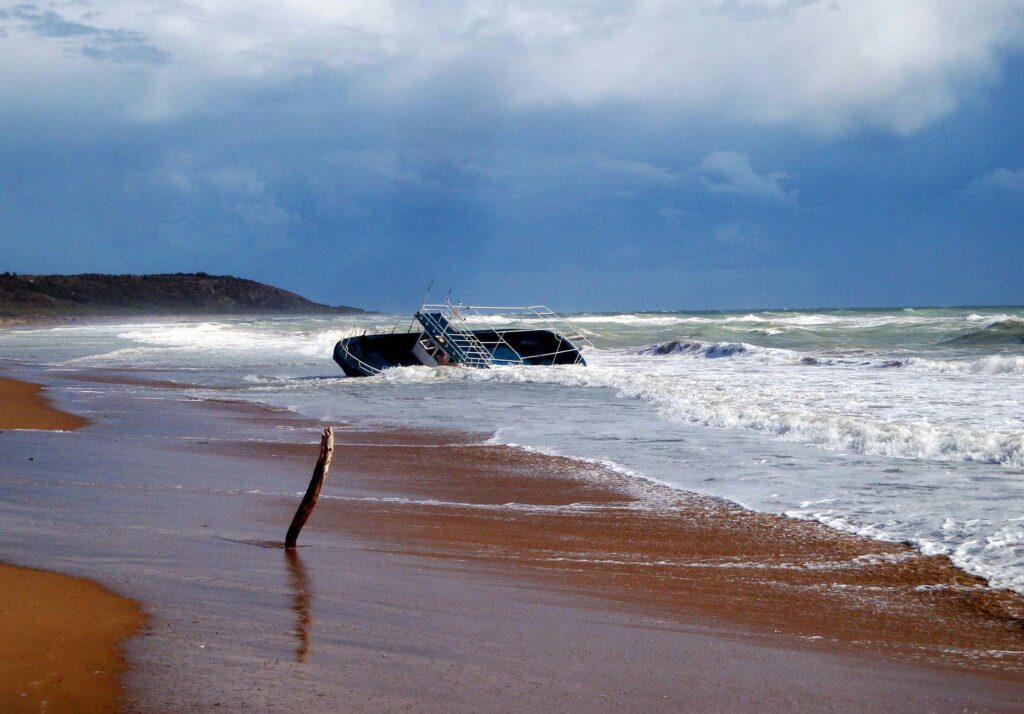
My interest in this area started when I was discussing with a class the idea of onboarding – the process through which new employees gain the knowledge and skills they need to become effective members of a firm. Just as someone might say ‘Welcome on board‘ when you get on a plane or ship, so they might also say it during your onboarding process. Companies may also provide customer onboarding programs to familiarise people with products and services and drive new customers to make repeat purchases.
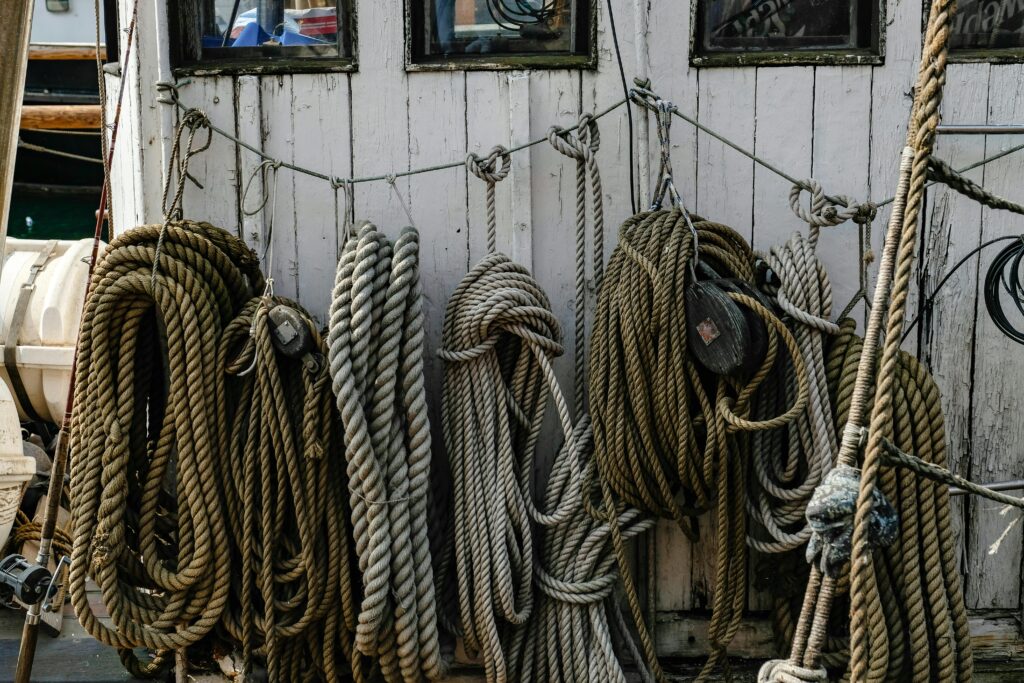
When you start at a new company, you might be lucky and find that someone who’s been there a while takes you under their wing and shows / teaches you the ropes. This usually involves telling you how everything works there, where the coffee machine is, who to talk to if you want to get an ID card, where the photocopier is, and all the other little things that it’s good to know about when you’re new. Once you’ve been with a firm for some time, of course, people might say that you know the ropes and so new recruits might now ask you for help or guidance.
When a company launches a new product or service, they might initially do it on a small scale – just to test the waters and see how customers respond to what’s being offered. By the way, we also launch new ships – there may even be a ceremony that involves smashing a bottle of champagne against the hull.
If a firm gains a reputation for being innovative and gets a lot of attention for the impact it’s having, you might hear that it’s making waves. It’s creating a stir and getting noticed. Of course, when you start in a new company, it might be best to keep a low profile for a while and not draw too much attention to yourself yet. In other words, don’t make waves!
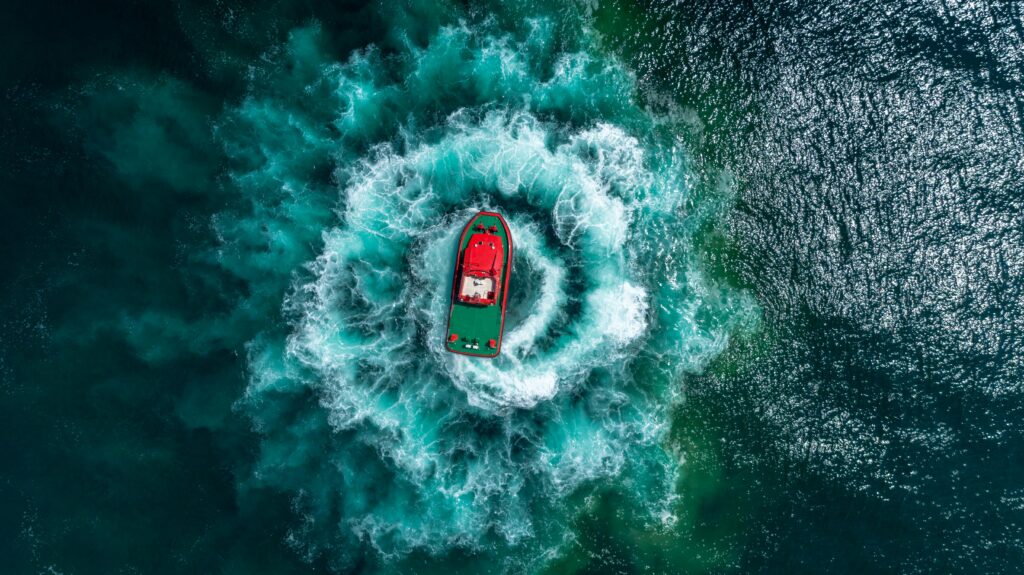
If a company is riding a wave – or riding on the crest of a wave – it’s enjoying a period of success and good fortune. It’s much more fun than entering uncharted waters, where the future looks uncertain and danger may lay ahead. It’s at times like that that you need everyone in the firm to pull together – in the same way that a team of people can pull hard on a rope. Sometimes you just have to wait for the storm to pass and hope that the firm can manage to weather the storm and survive this difficult period of time.
If it looks like a company is going to go under – go bankrupt – then maybe a new boss will be brought in to try and keep the firm afloat. On a boat, the helm is the handle or wheel that controls the direction you travel in, and sometimes with companies, a new face at the helm can help to steady the ship. They might change course, successfully navigate the challenges they face and steer the company to safety. After that, it’s all plain sailing.

You might say that a manager runs a tight ship – they keep firm control of the way the company is run and ensure everything is efficient and profitable,
On the other hand, unforeseen circumstances might make things worse by throwing / blowing the firm off course. The company might decide to lighten the financial load it’s carrying and get rid of dead weight by laying off unproductive employees. Those who remain might be unhappy with things, but nobody will want to rock the boat because saying things that upset the big bosses could make it worse for everyone. Times like this might not be much fun, but at least there’s some sense of solidarity with your fellow employees as everyone’s in the same boat.

If it looks like the firm is just about on the rocks / about to hit the rocks, there might be a bit of a mutiny among the staff and people start refusing to obey orders. People might also decide to save their own skins and leave in search of more secure work – like rats leaving a sinking ship, a cynic might say! Maybe if the firm is about to go under, the bank might be asked to bail them out. If you bail out a boat, you scoop water out of it to stop it sinking, and when banks bail out a company, they help it out of difficulty by lending it money. This bailout will often save the firm.
Learning metaphors like those explored here is just one way our online advanced English courses can help you reach the next level. Join our community today!
Right. That’s all for today, though I’m sure there must be more phrases that use the idea of a company being like a ship. Can you think of any more? If so, add them in the comments section below.
I like the cut of your jib, lads!
Seriously though, very nicely constructed.
Thanks!
Gordon
Thank you – and well done for squeezing another nautical reference in there.
There was a great job opening, with better pay and development opportunities than my current role, but I found out about it too late, and unfortunately that ship has sailed…
Lovely extra example. Thanks for sharing.,